
If you have checked a Broadway ticket price this summer and thought it had changed on you from a couple of weeks ago, it probably did. Not randomly, but deliberately.
Broadway, thankfully, is not using an invisible algorithm that instantly flips prices. Pricing is set and adjusted by producers and their marketing and ticketing teams, sometimes bi-weekly, based on how a show is actually selling. They are watching pace, demand, and who is buying. When those signals shift, pricing follows.
In July and into early August, this is on full display. The city fills with tourists, buying windows shorten, and a few titles become must-see for a variety of reasons. That combination tightens inventory and gives producers the ability to push prices where demand is strongest.
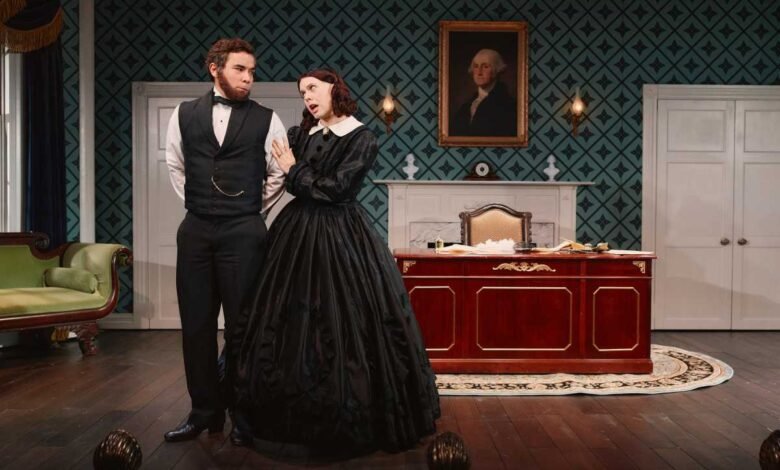
Take Oh, Mary!. It is an objectively successful show with a very specific audience, a smaller theater, stunt casting, and it has been a huge hit. When demand clusters around weekends or key performances, pricing moves up accordingly. What might look like a standard ticket one week can quickly reposition into a premium range the next. That is not arbitrary. It is a show capitalizing on momentum while it has it.
Hamilton remains the clearest example of this model at scale. Over a decade into its run, it still flexes with demand. Premium seats rise when notable cast members return, while some other inventory stays accessible through lotteries and group discounts. It is a wide net strategy. To capture the top of the market without shutting out the rest.
Then there is Chicago, now playing into its 30th anniversary. A long-running show with steady audiences, it tends to operate within more predictable fair pricing. But even here, this summer is creating buzz with recognizable personalities from specific genres. Prime weekend seats move higher, while midweek performances offer more approachable entry points. The system adjusts, just with less noticeable swings.
Across all three shows, and others, the math can be similar. Broadway is managing a fixed number of seats against demand that changes. When a show is hot, it can sell a large percentage of its house at full or premium price. When it is building or ebbing, pricing becomes a focal point to keep the theater full.
Group sales are often the best value on the table. Blocks of seats are discounted to move, especially for midweek performances, and they undercut standard retail, while still guaranteeing steady volume for the production. It is one of Broadway’s most consistent, enduring advantages.
For buyers, understanding these points matters. Purchasing early can secure value before demand builds. Waiting can work for softer performances, but in the summer, it is a risk. As inventory tightens, prices often rise, not fall.
What feels unpredictable is actually controlled. Every pricing adjustment reflects a decision about how to position a show in real time.
On Broadway, price is not just a number. It is a signal.
And in the summer, it is a loud one.
Alex Tavis is a longtime working Film/TV/Theater actor and independent theatre ticketing logistics partner since 2017. A lover of satisfied customers, sun, and passive income. He resides in Brooklyn.