Posted on: May 19, 2026, 07:14h.
Last updated on: May 19, 2026, 07:46h.

- Clark County commissioners have unanimously approved a 10-year contract extension for the Formula 1 Las Vegas Grand Prix, securing the race through 2037
- While officials cite massive economic impact — including over $2 billion in total generated revenue — local businesses and Strip casino employees remain critical of the prolonged, disruptive construction periods
- In response to ongoing community frustration regarding road closures and lost revenue, county officials demanded that race organizers further condense future construction timelines and improve traffic mitigation
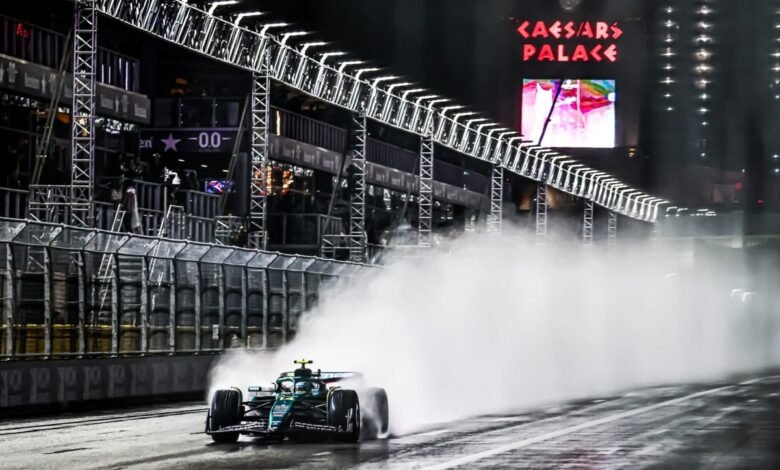
Clark County commissioners voted unanimously Tuesday approved to extend the Las Vegas Grand Prix through 2037. The resolution adds 10 years to the county’s contract with Formula 1, which first brought the modern Grand Prix to the Strip in 2023 on the traditionally slow weekend before Thanksgiving.
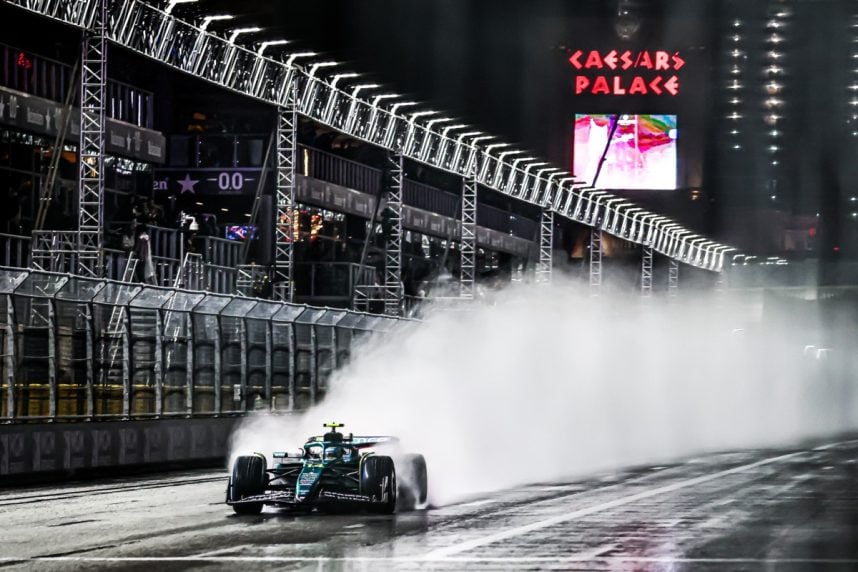
County officials framed the extension as a long-term investment in a global sporting event they say has elevated both Las Vegas’ international profile and its economy. Race organizers have repeatedly highlighted the economic benefits, citing an estimated $1.5 billion in economic impact from the inaugural 2023 race and $934 million from the 2024 edition.
Those figures include visitor spending, employment tied to race operations, and tax revenue generated during race week.
Vroom for Improvement
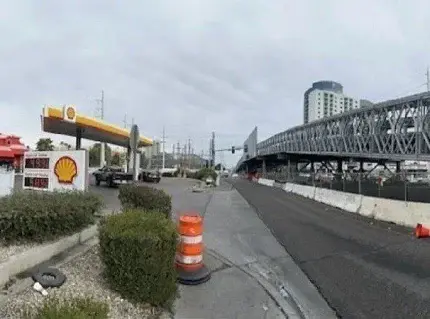
But the economic picture is far more complicated for many locals and small business owners. The months-long construction required to convert the Strip into a 3.8 mile street circuit — and then restore it afterward — has repeatedly disrupted access to hotels, restaurants, retail shops, and residential neighborhoods. Several businesses filed lawsuits against the county and race organizers over lost revenue, most of which ended in confidential settlements.
Residents working on or near the Strip have also voiced frustration. Road closures, lane reductions, and detours add hours to daily commutes during the three-month construction window. Unlike affected businesses, residents receive no compensation for the disruption, a point raised frequently during public comment at county meetings.
Speaking before Tuesday’s vote, Commissioner Michael Naft acknowledged the strain on the community and said the county must push organizers to shorten the construction timeline. “The Grand Prix needs to condense the timeline,” he said, adding that the county must ensure F1 adheres to stricter scheduling and coordination requirements in future years.
County staff noted that the 2024 race did show improvements, with some phases of construction completed earlier and certain closures reduced in duration. Still, commissioners emphasized that long‑term approval does not mean unconditional support.
“The Grand Prix needs to condense the timeline,” Commissioner Michael Naft said, adding that the county must ensure F1 adheres to stricter scheduling and coordination requirements.
The county will continue to negotiate annual traffic plans, construction schedules, and community‑impact mitigation measures.
After the decision, outspoken Vital Vegas blogger and F1 critic Scott Roeben tweeted: “Never in our town’s history has the will of the many (including Strip workers, small businesses) been so flagrantly and destructively ignored to satisfy the interests of the few (four casinos). The LVCVA is contributing $10 million a year in taxpayer dollars to this s***show.”