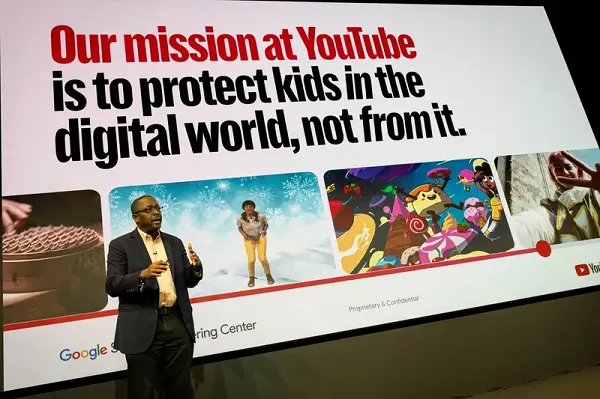
YouTube said it will allocate $20 million in funding towards digital literacy training for teens as part of a new program to combat the negative impacts of online exposure.
YouTube announced the initiative at the Growing Up in the Digital Age Summit in Dublin, with Google.org and YouTube partnering on this first-of-its-kind global initiative.
As per YouTube: “This funding will power a brand-new, multilingual, open-source resource center and curriculum, backed by a global Ipsos study of more than 9,500 teens to ensure we’re meeting the needs of young people, especially in the age of AI.”
YouTube said the resource center will equip teens, parents and caregivers with the confidence to build healthy relationships with technology. In addition, it will focus on a range of key elements, including healthy artificial intelligence interactions and mental health assistance.
Improved digital literacy education has become a bigger focus of late, as more regions look to implement restrictions on teen social media use due to concerns that young users are being exposed to harmful elements.
And while such concerns are valid, platform executives have argued that restriction is not the answer because restrictive actions won’t stop kids from accessing risky social media platforms or websites. Instead, executives have said that governments should accept the role the internet plays in the modern interactive process, and as such, legislation should be aimed at educating youngsters on the risks and dangers, and how to avoid those in their web usage.
Because kids are going to be online. We can set up all the blocks and restrictions we want, but the fact is that the internet is now a foundational element in modern interaction, and one way or another, that will expose children to some level of risk.
Bigger, more well-resourced platforms like YouTube are working to address this element through enhanced protection and educational measures, but restricting teens from using these platforms could end up pushing youngsters to less protected, less safe providers instead.
Which is the focus of YouTube’s initiative, as the company looks to education, not restriction, in order to guide the way toward a safer future.
YouTube said it will be working with Google.org and The Centre for Public Impact to have YouTube creators bring this message to their audiences “using the formats and language teens actually engage with.”
YouTube will also work with a range of nonprofits to promote these new resources and provide local training “tailored to the unique cultural needs of the communities that they serve.”
It’s a good initiative, which could end up having significant value in improving digital literacy education and awareness. But with more than 40 regions now exploring the idea of increased teen social media restrictions, it seems inevitable that we’re going to go down this path no matter what.
Either way, more education can only be of benefit, and YouTube’s massive reach will provide the platform with expanded opportunities to connect with its target market.