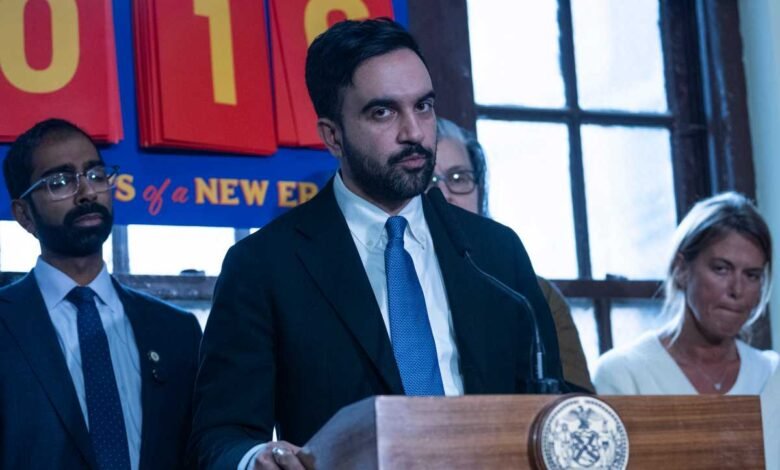
Friday, Jan. 16, marks the 16th day of Zohran Mamdani’s term as mayor. amNewYork is following Mamdani around his first 100 days in office as we closely track his progress on fulfilling campaign promises, appointing key leaders to government posts, and managing the city’s finances. Here’s a summary of what the mayor did today.
The City has secured a $2.1 million settlement with a landlord responsible for 14 buildings across Brooklyn, Manhattan, and Queens, addressing more than 4,000 building code violations and allegations of tenant harassment.
The settlement, announced Friday by Mayor Zohran Mamdani’s administration, comes shortly after it was finalized by a judge in early January and signals the city’s intention to use the case as a model for holding negligent landlords accountable.
The settlement covers multiple legal actions and requires the landlord to correct the hazardous conditions and comply with court-issued injunctions preventing further tenant harassment.
While negotiations and initial enforcement took place under the previous administration, city officials emphasized that the Mamdani administration will actively use such settlements to advance tenant protections and ensure safe, livable housing.
“Every tenant in New York City has a right to a safe and livable home, and our administration intends to use enforcement tools like these to deliver exactly that,” Mayor Mamdani said. “This settlement will provide relief for tenants who have long suffered from poor conditions and harassment, and demonstrates the type of accountability we will continue to pursue across the city.”
Queens Council Member Shekar Krishnan, whose district includes the highest concentration of affected properties in Jackson Heights, praised tenants, advocacy groups, and city enforcement.
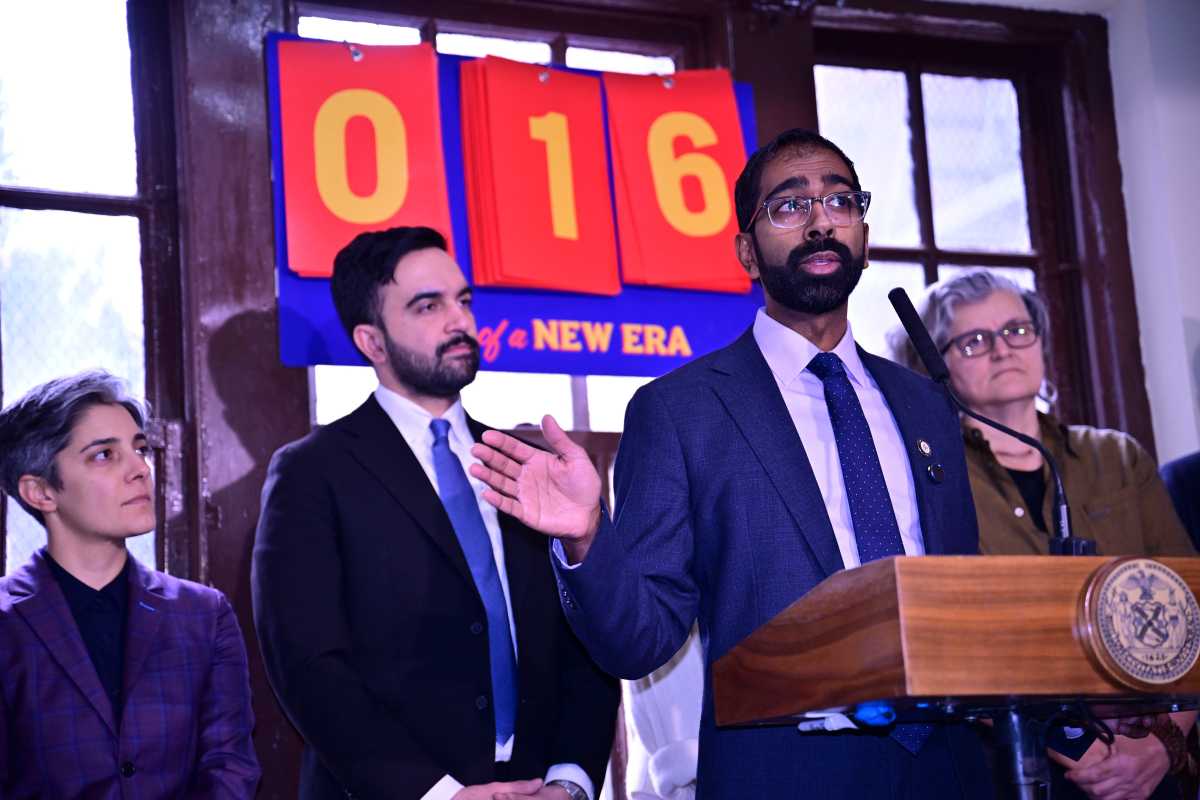
“Every repair we’ve won leaves us with ten more to fight for — their buildings are revolving doors of neglect and major housing violations,” he said. “I’m thankful that Mayor Mamdani and [the Department of Housing Preservation and Development] HPD, on day 16 of the new era, are signaling a new approach to protecting tenants.”
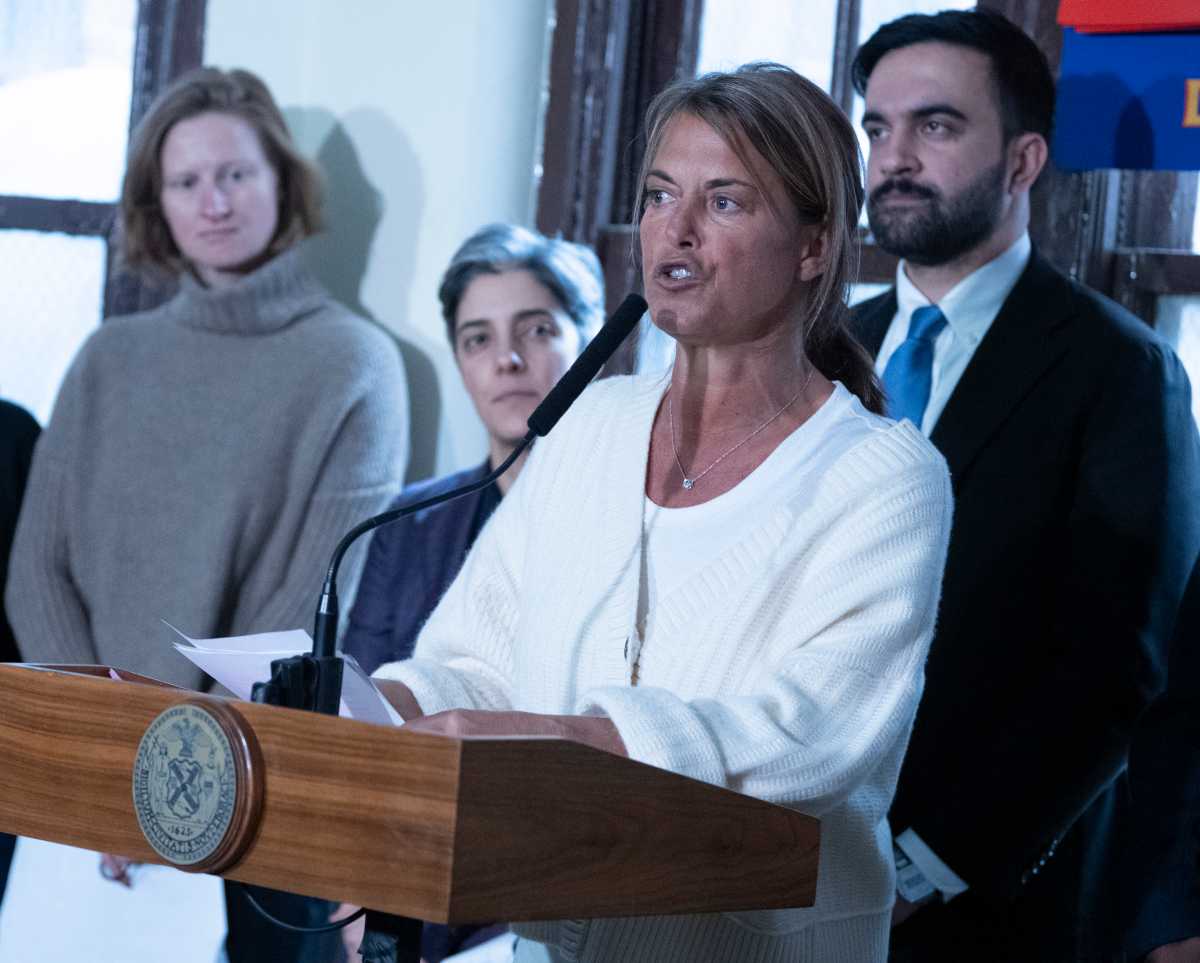
Tenant Diana de la Pava, who has lived in one of the buildings for more than 13 years, detailed chronic elevator outages, mold, pests, and other unsafe conditions affecting elderly and disabled residents.
She described how broken elevators effectively trapped some residents and contributed to preventable health crises. “This is not a communication failure. It is a business model for A & E,” she said during the press conference.
A & E Realty responded with a statement saying it reached the settlement in collaboration with the city. The company noted that it has invested in rehabbing elevators, replacing boilers, and addressing longstanding violations across its portfolio, and added that it is delivering on a repair plan agreed with HPD.
“We look forward to partnering with the City to improve the lives of our residents and continue investing in New York City’s housing stock,” a spokesperson said.
HPD officials highlighted that the settlement represents the largest in the Anti-Harassment Unit’s history.
Over the course of litigation, more than 1,000 violations have already been corrected, with nearly $500,000 in additional emergency repairs made. The city stressed that its enforcement tools include civil contempt motions, emergency repairs, and injunctions to prevent tenant harassment, demonstrating a proactive approach to holding landlords accountable.
The Mamdani administration plans to use this case as a template for future enforcement actions, including upcoming “rental rip-off” hearings in all five boroughs within the first 100 days. The hearings are designed to give tenants a direct voice in shaping housing policy, tracking violations, and ensuring landlords are held accountable in real time.
Incoming Housing Preservation and Development Commissioner Dina Levy said, “By holding bad actors accountable, we are making it clear that no landlord will escape the consequences of violating the Housing Maintenance Code. Tenants should not have to fight day in and day out for basic services — these are fundamental rights.”